Have you ever wondered how pro editors ground you in a scene? They start with an establishing shot. It tells viewers where they are, when they are, and what kind of story they’re about to experience.
In this article, we’ll explore why this type of shot is so crucial for clear and effective storytelling. We’ll also provide practical tips and showcase a range of compelling examples to inspire your work.
But we won’t just leave you with theory. To help you immediately apply these lessons, we’ve also curated a stunning collection of opening scenes right here on Storyblocks, providing high-quality, ready-to-use footage to help you set the perfect stage for your next project.
Table of contents
What is an establishing shot?
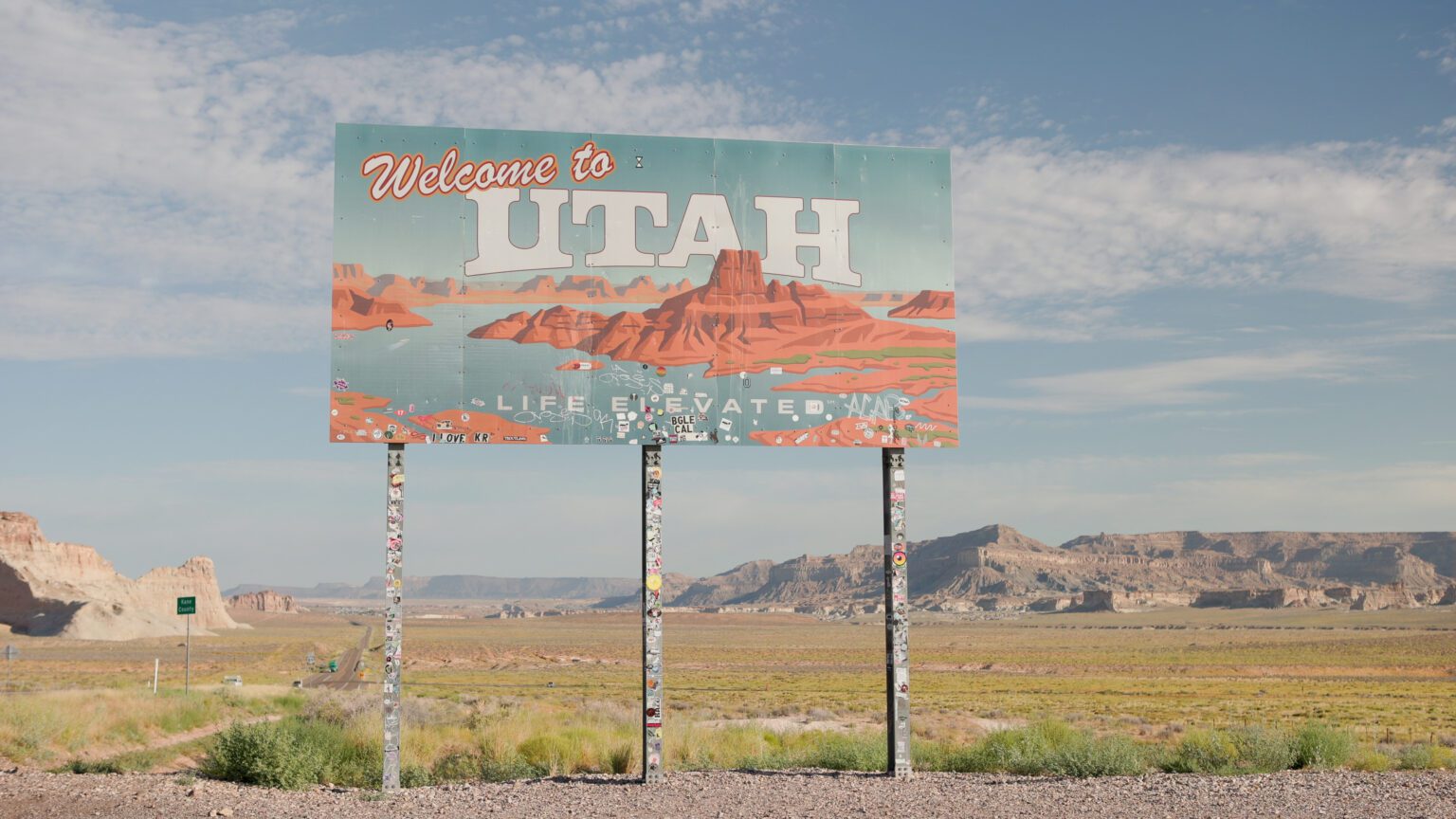
An establishing shot is a long or wide shot whose primary job is to orient the viewer. It’s typically the first shot in a sequence, providing crucial context about the setting, time of day, and overall mood before the narrative zooms into the action.
While often a grand, sweeping vista, establishing shots come in many forms. One of the most recognizable is the sprawling cityscape, like a shot of the Eiffel Tower to signify Paris. However, they can also be more focused exteriors, like the front of a suburban house or a lone car driving down a country road.
The technique works for interiors, too. A wide angle of a bustling office or a quiet, expansive library immediately establishes the environment before we meet the characters within it.
Why establishing shots matter
Establishing shots are fundamental to cinematic storytelling, setting the stage for what’s to come. They are powerful narrative tools that shape our understanding and emotional response from the very first frame. With establishing shots, you can:
- Help the viewer know where we are. These shots establish a physical location, whether it’s a cityscape or remote wilderness. This shows viewers the environment and distance between characters, helping create a mental map of the story’s world.
- Set the time and context. Beyond just place, establishing shots show when a story is happening. Lighting cues show whether it’s day or night, and seasonal indicators like blooming flowers show time’s passage. You can even suggest historical eras through architecture and clothing, showing a period without explicit dialog.
- Set the tone and emotion. The composition of an establishing shot influences the emotional tone and atmosphere. Moody twilight might evoke sadness, while a sun-drenched morning scene suggests a fresh start. These impressions set the audience’s expectations for the upcoming emotional landscape.
- Control the pace. Filmmakers use establishing shots to dictate the narrative’s pace. A long, lingering shot can create a contemplative slow burn, letting the audience build anticipation. In contrast, rapid zooms or quick cuts can inject urgency and excitement.
To truly appreciate their usefulness, let’s explore some famous examples of establishing shots.
Famous examples of establishing shots
1. Blade Runner’s cityscape
This iconic opening shot immediately immerses the viewer in a dark, sprawling, futuristic Los Angeles. It’s dominated by enormous, fire-spewing industrial complexes and air traffic, instantly setting a tone of a grim and dystopian city.
2. Lost in Translation’s Tokyo skyline
The opening shot from a car window shows the blurred, neon-streaked Tokyo streets passing by. It subtly establishes a feeling of disorientation and isolation in a foreign, bustling city.
3. The Grand Budapest Hotel symmetrical exterior
The symmetrical and vibrant shot of the hotel’s exterior immediately establishes the film’s unique aesthetic and Wes Anderson’s signature, almost dollhouse-like visual style.
Establishing shots and opening scenes from Storyblocks
If you’re sourcing footage for your establishing shots, have a look in the Storyblocks library. It features a huge range of establishing shot categories that help you build your narrative with different settings, moods, and paces.
1. Urban skylines and cityscapes
Download Vehicles Crossing Over Brooklyn Bridge
City skylines immediately set the scene in an urban environment. They’re a classic way to introduce the modern, bustling energy of city life.
Download Morning Scenery of Hong Kong
To find urban establishing shots in the Storyblocks library, try searching for something like cityscape, urban skyline, or downtown aerial.
Download Reflection of Manhattan Skyline
Cinematographers often follow skyline shots with zooms or cuts to the street level. The opening shot shows the grand scale and business of a city, while the following shots focus in on your characters or specific locations that they’ll visit throughout the narrative.
2. Countryside and nature scenic vistas
Download Fascinating Scenery with Oceanic Coastline
These shots instantly transport the audience to a serene or idyllic location, establishing scale and often a peaceful or exploratory tone. Need to whisk your audience away to a peaceful valley or a rugged mountain range? These shots deliver instant scale and a sense of place, whether it’s vast and grand or quiet and remote.
Download White Flowers of Blooming Cherry Tree
To find this kind of footage on Storyblocks, search using terms like rolling hills, forest aerial, mountain panorama, or countryside.
Download Beautiful Snow Covered Landscape in American Mountain
In an edit, these often serve as a slow, deliberate lead-in to establish a calm pace. You can also use them with a crossfade to transition between different geographical locations.
3. Transportation and travel footage
Download Aerial Top-down Descending Shot of a Traffic Jam
This type of footage conveys a sense of movement or a change in location. It can show viewers that a journey is taking place (or has already taken place) and that the character is about to experience a transition in their life.
Download Commercial Airplane Jet Plane Landing
You can find this footage by searching the Storyblocks library for something like train track view, highway driving, or airplane window clouds.
Download Aerial View of Train in the Forest
Travel footage can show a character’s journey or simply keep the narrative flowing. They’re great for pacing montage sequences or serving as quick cuts to show how characters are moving around in the world.
4. Interior wide angles
Download Establishing Shot of a Generic Cafe
Interior wide angles quickly show the indoor environment, giving a sense of space and activity before focusing on a character. It’s about giving your viewers the whole picture of the indoor setting before you dive into the details.
Download View of Beautiful Interesting Luxury Interior
On the Storyblocks website, look for terms like busy cafe wide shot, empty warehouse interior, or open office space.
Download Helsinki Finland July
When incorporating these into a cut, they’re ideal for leading into closer shots of characters within the space. A transition with a quick cut or a subtle zoom helps draw attention to a particular area or person.
5. Time-of-day light elements
Download Silhouette of Lonely Surfer in Wetsuit
Time-of-day shots quickly establish what time it is and influence the emotional atmosphere of the scene through the quality of light. Imagine how an audience will react to a warm, glowing sunrise versus a dim, greenish twilight.
Download Illuminated Manhattan Skyline
To find Storyblocks stock footage, search for terms like, golden hour city, dawn fog, or sunset landscape. To influence the lighting even more and set the perfect tone for your footage, you can use stylistic color grading.
Download Black Silhouettes of People Looking Through Telescope
Time-of-day establishing shots show your audience when your scene is taking place, but crucially, they also show how it feels. They’re essential if you want to set the stage before hard-hitting scenes, and they can also mark the transition of time with added emotional weight.
6. Large crowds, events, and festivals
Download Blurred Images of a Busy Street
When your scene calls for scale and energy, these shots are perfect. They drop the viewer directly into a vibrant festival, a bustling market, or a packed stadium. You immediately get a sense of the event’s size and atmosphere.
Download Busy City Street with Pedestrians
Look for festival aerial, crowd wide shot, or concert drone on Storyblocks to find stock establishing shots you can use in your next project.
Download Music Show at Silhouettes of Fans Concert
They’re useful for opening sequences involving major public gatherings, leading into closer shots of individual experiences within the large event.
7. Stylized establishing shots: reflections, drone arcs
Download Sun Rays Dance in Water
For unique visual statements, stylistic shots go beyond just orienting the audience. They add an artistic flair to your film, like a reflection in water. They can hint at your film’s visual style or even a character’s state of mind.
Download Colorful Herd of Ranch Horses
You can find stylistic establishing shots on Storyblocks by searching for terms like abstract aerial, reflections, or unique visual.
Download Light Reflections on Roof and Hood of Moving Auto
Use these for a memorable opening that sets a distinctive tone and immerses the audience in a uniquely crafted visual world.
These examples show the power of establishing shots, but how do you choose the right one for your project?
Choosing the right clip for your opening scene
Picking the perfect establishing shot is more than just finding a nice picture. It is a strategic move that instantly grounds your audience and sets the tone for your whole story. For new filmmakers, here are some pro tips to help you choose an opening scene:
- Start with a wide shot. Use your wide shot to give immediate context. Is your story about someone tiny in a massive world, or the personal interactions within a single city block? Your first wide shot should give viewers their bearings and set the stage for your fictional world.
- Master classic framing. Even a simple shot can shine with good composition, especially if you pre-plan with storyboarding. Think about using symmetry to create a sense of order or grandeur (like in The Grand Budapest Hotel). Or, try the rule of thirds to make the image feel balanced and natural.
- Show the time (don’t tell). Your establishing shot can reveal the time of day without a line of dialogue. Look for footage that clearly shows the long shadows of dawn, the harsh light of midday, or the soft glow of dusk. The colors in the sky or the way lights are lit instantly set the mood.
- Include seasonal hints. If your narrative unfolds across seasons, pick an establishing shot that gives a clear hint. A dusting of snow, vibrant autumn leaves, or lush summer greenery can mark the time of year and inform the viewer’s understanding.
- Keep it clear, not cluttered. A strong establishing shot shouldn’t overwhelm your audience. New filmmakers often choose beautiful shots that don’t match their story’s tone. Your cozy indie drama doesn’t need a sweeping helicopter shot. Does it feel too busy? Try the scene in a rough edit first, to get a better idea of whether it fits.
- Consider the follow through. Picture what comes next. Does your establishing shot naturally lead into the next scene? The best opening shots set a smooth path that you can follow with more contextual shots. Keep an eye on the energy level of each shot and try to avoid mismatching with the following scenes.
- Listen to the scene. Professional editors blend diegetic and nondiegetic sound. Start with diegetic sound (sound from the scene), then add subtle non-diegetic elements (score and music). For example, a cityscape might have real traffic sounds mixed with a low, atmospheric drone that adds emotional weight without calling attention to itself.
- Try to create something unique. Stock footage is incredibly useful, and it’s crucial to find clips that stand out. Look for an unusual angle, striking weather, or a particular quality of light that makes the scene feel fresh.
Finally, avoid lingering too long on your shot. An establishing shot should be long enough to orient the viewer, but not so long that it kills the pace. Get in, establish the scene, and move on.
Create more impactful videos with Storyblocks
Choosing the right establishing shot is crucial for making your video stand out. It’s the quickest way to tell viewers where they are and what kind of story they’re going to experience.
Check out the linked Storyblocks clips in each category and try inserting one into your next edit. You’ll quickly see how a thoughtfully chosen establishing shot can transform your storytelling.
With a Storyblocks subscription, you can access all of the royalty-free stock audio, footage, and templates you’ll ever need. Sign up today and see how Storyblocks can help take your projects to the next level.